
Grooming Is Health Care, Comfort, and Training All Rolled Into One
When most people think about grooming, they picture a clean coat and a good-smelling dog. But in my day-to-day work at Off Leash K9 Training of Kansas City, I see something bigger: grooming is one of the most practical forms of preventive care you can give your dog. It affects skin health, mobility, comfort, and even behavior.
Here’s the honest takeaway upfront: regular grooming helps prevent medical issues, reduces stress, and makes your dog easier and safer to handle. It is also one of the best “real life tests” of obedience training because grooming requires calm cooperation with touch, tools, and unfamiliar routines.
In this post, I’ll break down why grooming matters for every dog, which problems it helps prevent, and how obedience training and off-leash reliability can make groomer appointments smoother for everyone involved.
Why Grooming Matters Beyond Looks
Grooming is not vanity. It is maintenance. Even short-coated dogs benefit from consistent brushing, nail care, and skin checks. When grooming gets skipped, small issues can turn into bigger problems that are harder to treat and more uncomfortable for your dog.
Common health and comfort benefits include:
-
Skin and coat health: Brushing removes dead hair, distributes natural oils, and helps you spot dryness, hot spots, or irritation early.
-
Mat prevention: Mats can pull at the skin, trap moisture, and lead to sores or infections, especially behind ears, under collars, and in armpits.
-
Nail and paw care: Overgrown nails can change a dog’s gait, contribute to joint strain, and make walking uncomfortable.
-
Ear checks: Some dogs are prone to wax buildup or infections, and early detection makes a huge difference.
-
Parasite awareness: Fleas, ticks, and skin issues are often noticed during routine grooming before they become major.
One detail that surprises owners is how strongly routine influences outcomes. Dogs do better when they know what to expect. If you want a helpful framework for building consistent habits, the routine-based approach in New Year’s Guide: Training Success 2026 applies to grooming just as much as it does to obedience training.
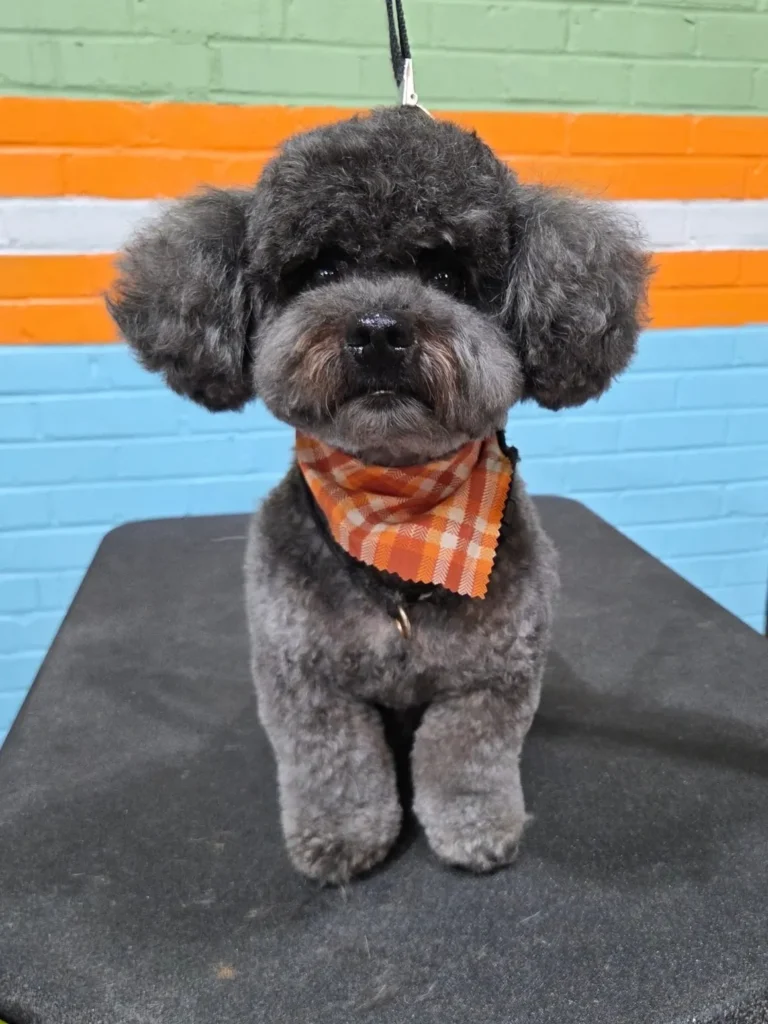
Grooming Challenges Are Often Training Challenges
Groomers do skilled work, but the dog still has to participate. If a dog panics, thrashes, snaps, or refuses handling, it can turn a routine groom into a stressful experience. This is where professional dog training becomes part of the result.
At Off Leash K9 Training of Kansas City, I often explain it like this: grooming requires cooperation with touch. Cooperation is a trained skill.
Some common behavior problems include:
-
Pulling away during brushing or nail trims
-
Paw sensitivity that escalates to growling or snapping
-
Excessive wiggling that makes clipping unsafe
-
Fear of dryers, clippers, or unfamiliar noises
-
Jumping, mouthing, or “alligator rolling” on the table
These behaviors are not “stubbornness.” They are usually a mix of low tolerance for handling and a lack of clarity about expectations. With obedience training, we teach dogs how to regulate themselves, respond to direction, and recover faster from stress. That is a big part of behavior transformation.
Skills that directly support calmer grooming include:
-
Sit and Down on cue for stability during handling
-
Place to practice staying calmly in one spot
-
Leave it to reduce grabbing at brushes or hands
-
Neutrality training to build confidence around new sounds and tools
If your dog struggles most in busy environments or around distractions, building stronger structure at home helps too. The routines discussed in Winter Training: Perfect Progress are a great example of how consistency builds calmer, more resilient dogs.
How I Recommend Preparing Your Dog for Grooming Appointments
If grooming has been a battle in the past, you do not have to wait for the next appointment to start improving it. Small, consistent reps at home can build your dog’s tolerance and confidence.
A simple prep routine:
-
Handle with purpose for 30 to 60 seconds daily
Touch paws, ears, tail, and collar area, then reward calm behavior. -
Pair tools with calmness, not excitement
Let your dog see the brush or nail grinder, reward calm, and end the session before stress spikes. -
Practice short “Place” sessions
Calm duration builds self-control. Self-control is what makes grooming safer. -
Teach a release word
Predictability builds dog confidence. Your dog learns when the session starts and ends. -
Avoid accidental reinforcement
If pulling away ends the session every time, the dog learns pulling away works. Instead, scale down difficulty and reward calm cooperation.
For owners who want a clearer plan and faster progress, our Dog Training Programs are designed to build real-world obedience and handling tolerance. Many families choose Basic Obedience for foundation skills, while others prefer Board and Train to create consistent structure and off-leash reliability in a focused format.
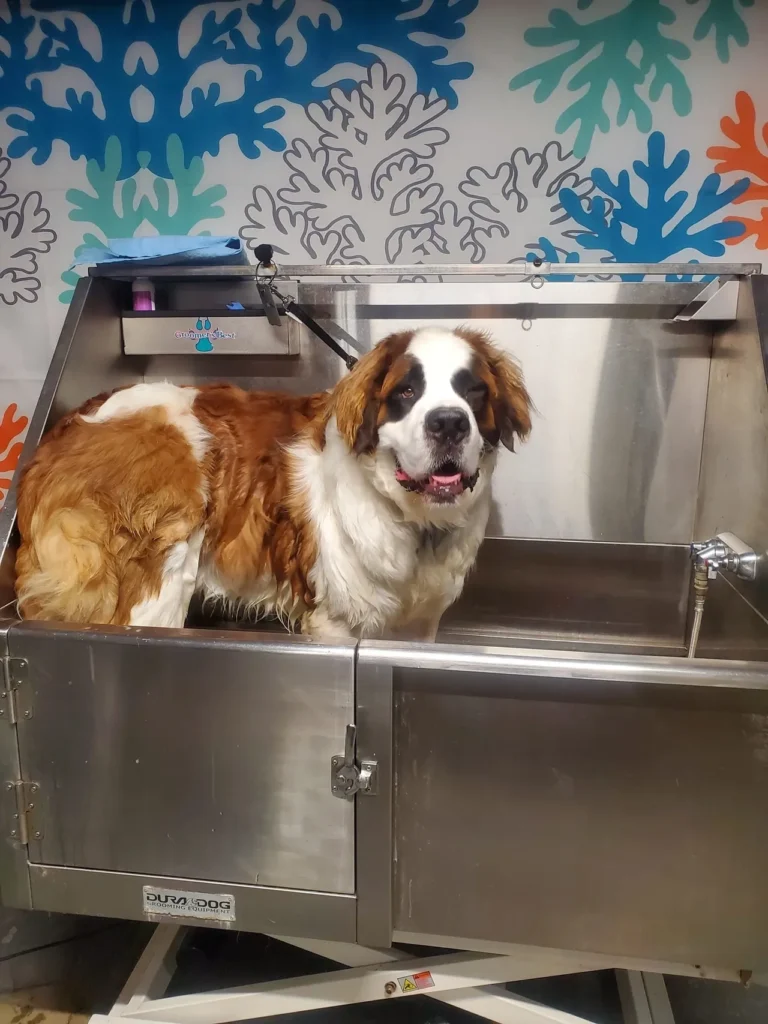
Local Grooming Spot to Know: Mia’s Cuts & Cuddles
If you’re looking for a local option in Kansas City, Mia’s Cuts & Cuddles is a grooming business worth checking out. They are located at 1010 E 1st St, Kansas City, MO 64120, United States, and you can reach them by phone at 816-634-4872.
No matter which groomer you choose, remember this: expect good results when the dog is prepared to be handled calmly. That preparation comes from a mix of smart routines and solid obedience training.
Final Thoughts
If grooming has become stressful for your dog or difficult for your family to manage, training can make a real difference. At Off Leash K9 Training of Kansas City, I help dogs build obedience, confidence, and off-leash reliability that carries into everyday situations like grooming, vet visits, and guests at home.
If you’re ready for calmer appointments and better behavior, reach out through our Contact Page and let’s talk about the right next step for your dog.