
When a dog is recovering from surgery, an injury, or chronic soreness, the hardest part is not always the physical work. It is often the daily routines around it. Getting into the car, waiting calmly in a lobby, tolerating hands-on work, and staying relaxed during exercises can be stressful for dogs who are unsure or uncomfortable. That is where canine rehab training matters. When we pair rehabilitation care with calm obedience habits, dogs usually recover with less frustration and owners feel more confident supporting the process.
At Off Leash K9 Training of Kansas City, I talk with many owners across Kansas City, MO and nearby KS communities who are navigating recovery plans. In this post, I’ll explain how canine rehab training supports safer handling and smoother therapy sessions, which obedience skills make the biggest difference, and how to build a simple routine that helps your dog feel steady during rehab.
Why canine rehab training helps dogs cooperate during recovery
Rehab appointments and at-home exercises ask a lot of a dog. They involve touch, restraint, unfamiliar tools, new surfaces, and sometimes mild discomfort. Even a friendly dog can become hesitant, wiggly, or reactive if they do not understand what is expected.
Common challenges that canine rehab training can improve include:
- Pulling or refusing to enter the building
- Difficulty settling while waiting
- Sensitivity to paw, hip, or shoulder handling
- Tension during stretching or guided movement
- Overexcitement that makes controlled exercises hard
- Stress behaviors like panting, pacing, or vocalizing
The goal is not to force a dog to “tolerate” everything. The goal is to build predictable communication so your dog can relax and cooperate. That is a major part of behavior transformation, especially when a dog associates handling with discomfort.
Obedience skills that support canine rehab training
Most owners do not need a complicated plan. They need a few obedience skills that make rehab safer and calmer. In my work at Off Leash K9 Training of Kansas City, these are the foundations I focus on for canine rehab training:
- Place with duration
Place teaches a dog to settle, wait, and recover. It is useful in clinics and at home during rest periods. - Calm leash walking and transitions
Controlled entrances, exits, and car loading reduce stress and prevent sudden movements. - Sit and down on cue
These positions create stability, especially when a therapist needs the dog to hold still briefly. - Handling tolerance
Collar holds, gentle restraint, paw touches, and calm body handling should be practiced before rehab demands them. - Engagement under mild distraction
Engagement helps your dog choose you even when their body feels off. It supports confidence and future off-leash reliability when your dog is fully healed.
These skills make rehab sessions smoother because they reduce chaos and build dog confidence. Dogs who know what to do are less likely to resist.
If your dog has a harder time when environments change, you may also find it helpful to skim Emergency Vet Training for Calm, Safer Clinic Visits. Many of the same calm-handling habits overlap with canine rehab training.
A simple canine rehab training routine for home
Owners often ask me what they can do between appointments. The answer is usually “less than you think, but more consistently.” Here is a practical routine I recommend for canine rehab training:
- Daily Place practice (2 to 5 minutes)
Ask your dog to settle on a mat or bed. Reward calm breathing and relaxed posture. - Gentle handling during Place (30 to 60 seconds)
Touch paws, ears, collar area, and hips softly. Reward calm and stop while your dog is still successful. - Controlled movement reps (short and clean)
Practice slow leash walking in a quiet space. If your rehab plan includes specific exercises, keep reps short and calm. - Car routine practice
Load calmly, pause, then unload. A predictable car routine reduces stress on appointment days. - Rest as a trained behavior
Recovery depends on rest. Place training makes rest easier for high-energy dogs.
If you want a high-authority overview of what canine rehabilitation can help with and why it is used, the AKC’s guide on Canine Rehabilitation Therapy: What to Know is a helpful companion read.
Regional Dog-Friendly Business Spotlight
If you are looking for a local rehabilitation option in the Kansas City area, Grandview Animal Rehab Clinic in Grandview, Missouri is a dedicated animal rehabilitation facility that focuses on improving mobility, function, and comfort for pets through rehab care. They are within about 1 to 2 hours of most Kansas City, MO and KS neighborhoods, which makes follow-up visits more manageable for many owners.
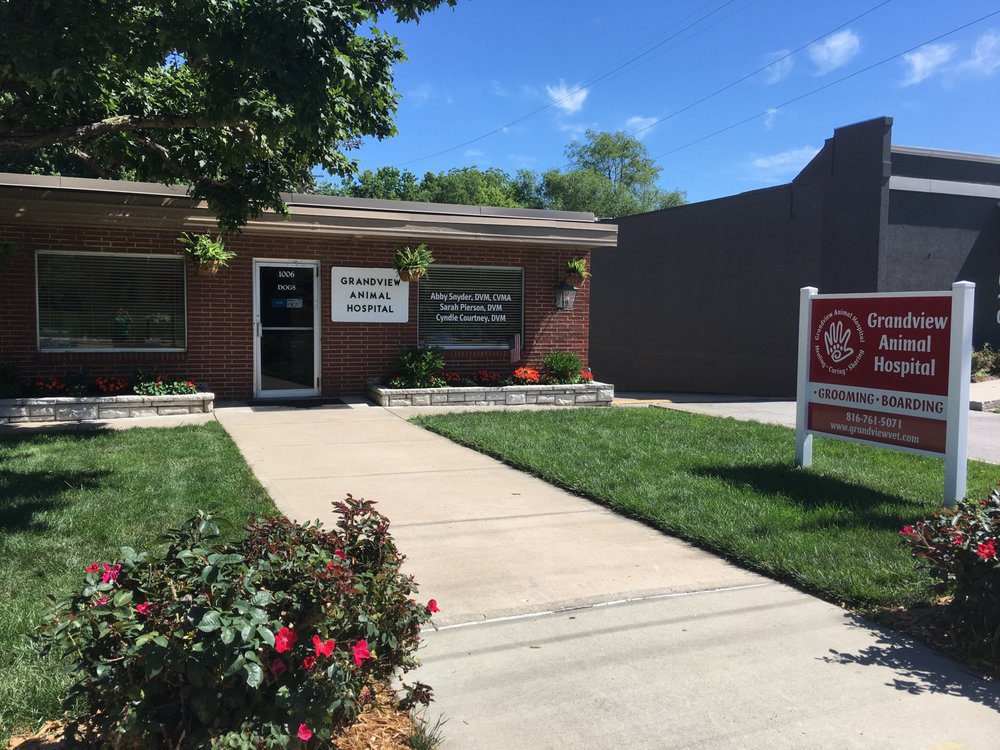
From a training perspective, rehab works best when dogs can stay calm for handling, move thoughtfully on leash, and settle between exercises. That is exactly why canine rehab training is so useful. It supports smoother sessions and helps your dog feel more confident during recovery, without turning every appointment into a struggle.
How Off Leash K9 Training of Kansas City supports recovery routines
At Off Leash K9 Training of Kansas City, I help owners build obedience that fits real life, including recovery periods. If your dog is on restricted activity, we focus on calm structure, clear cues, and controlled movement so your dog can heal without practicing frustration behaviors.
Depending on your dog and your goals, the right fit might be Private Lessons, Basic Obedience, Basic & Advanced Obedience, or Board and Train for owners who want a faster reset in manners and follow-through. You can review options on our Dog Training Programs page. A well-built canine rehab training routine often improves more than recovery. It improves daily handling, patience, and overall responsiveness.
If your dog is recovering from an injury or surgery and you want calmer handling, better cooperation, and a routine that supports healing, I can help. Reach out to Off Leash K9 Training of Kansas City through our Contact Page and tell me what your dog is working through right now. With consistent canine rehab training, we can build calmer behavior, stronger confidence, and practical obedience that supports recovery.