
As a professional dog trainer, I see firsthand how trained dogs handle real world situations more confidently, and one of the most important places this shows up is at the veterinarian’s office. Exams that feel overwhelming for untrained dogs are often routine and calm for trained dogs. That difference matters for safety, accuracy, and your dog’s overall health.
Veterinary teams notice this too. Clinics like NKC Animal Clinic in North Kansas City regularly work with dogs of all temperaments, and trained dogs consistently make examinations smoother for everyone involved. Training does not just improve obedience, it prepares dogs for hands on medical care throughout their lives.
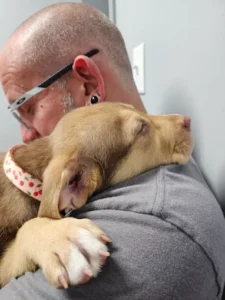
Why Veterinary Exams Can Be Challenging
Veterinary environments are filled with unfamiliar sounds, smells, surfaces, and people. For dogs without training, these factors can trigger anxiety and defensive behavior. Pulling away, freezing, growling, or snapping often come from fear, not aggression.
Trained dogs process these situations differently. They have learned how to remain calm when guided, handled, or briefly restrained. This foundation dramatically reduces stress during exams and allows veterinary staff to focus on medical care instead of behavior management.
How Trained Dogs Improve Exam Safety
When dogs are trained, veterinary visits become safer and more efficient. Trained dogs are easier to position, easier to examine, and easier to reassure.
Common benefits include:
• Calm behavior on exam tables and scales
• Willingness to hold positions like sit or down
• Reduced resistance during restraint
• Faster recovery from stressful moments
These qualities protect veterinarians, technicians, owners, and most importantly, the dog.
Veterinary teams at NKC Animal Clinic, located at 1415 Burlington St, North Kansas City, MO 64116, frequently see how trained dogs allow exams to move efficiently while minimizing stress. Their office can be reached by phone at 816-492-7001, and appointments can be requested through their contact page.
Touch Tolerance and Handling Skills
One of the most important skills trained dogs develop is touch tolerance. Touch tolerance means the dog has learned that handling does not equal danger. Through structured training, dogs become comfortable with hands on contact in a controlled and positive way.
This directly impacts veterinary exams that involve:
• Mouth and dental checks
• Ear examinations
• Joint and muscle palpation
• Vaccinations and blood draws
When trained dogs recognize these sensations as familiar, exams feel far less threatening.
Structure Creates Predictability and Trust
Dogs thrive when expectations are clear. Training gives dogs structure and predictable outcomes, which reduces anxiety in unfamiliar settings. This is especially helpful during veterinary visits where routines differ from home.
We explore this further in our article on why winter dog training is perfect for steady progress, where consistent structure helps dogs stay calm even in high stress environments like veterinary clinics.
Predictability allows trained dogs to trust handlers even when situations feel new or uncomfortable.
Obedience Skills That Help Veterinarians
Obedience is not about forcing compliance. It is about communication. When dogs understand commands, veterinarians can guide them through exams with minimal pressure.
Helpful behaviors include:
• Sitting calmly on a scale
• Holding a down position during exams
• Remaining still for injections or checks
These skills are exactly why foundational programs like our Basic Obedience Program focus on real world application, not just commands at home. Obedience directly supports safer and more effective veterinary care.
Reduced Stress for Dogs and Owners
Trained dogs experience less fear during exams, which also reduces stress for owners. When dogs cooperate, owners are more likely to schedule regular checkups instead of avoiding visits due to past struggles.
Veterinary staff benefit as well. Calm, cooperative dogs lower injury risk and allow clinics to deliver compassionate care without rushing or excessive restraint. Clinics like NKC Animal Clinic value preparation and training because it improves outcomes for everyone involved.
Long Term Health Benefits of Training
Dogs that tolerate veterinary exams are more likely to receive consistent preventative care. This leads to earlier detection of health concerns and better long term outcomes.
Training supports:
• More thorough physical exams
• Easier follow up appointments
• Better monitoring of ongoing conditions
Over a lifetime, trained dogs simply receive better medical care because exams are easier and safer to perform.
Final Thoughts
Trained dogs are easier to examine safely because training builds calm behavior, trust, and communication. These skills protect dogs, owners, and veterinary professionals while improving the quality of care dogs receive.
If you want your dog to handle veterinary visits with confidence and cooperation, professional training is one of the most valuable investments you can make. If you are ready to help your dog build these skills and create smoother vet visits, our team would be happy to talk with you through our contact page and help you get started.