
Many owners assume dog training should take a break once the cold weather hits, but the truth is that winter can be one of the best times to focus on obedience. Fewer outdoor distractions, calmer routines, and more indoor time with your dog create the perfect environment for learning.
At Off Leash K9 Training Kansas, we encourage dog owners to use the winter months to strengthen obedience skills, fix bad habits, and prepare for spring adventures. Here’s why now is the time to train, not pause.
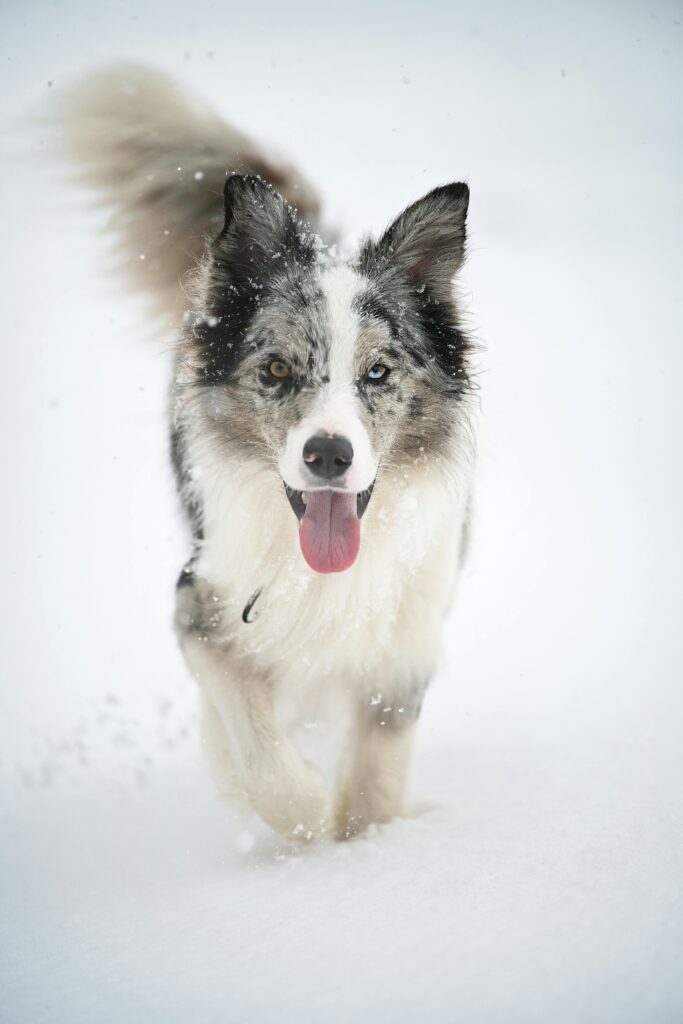
1. Fewer Distractions Mean Better Focus
During winter, parks and sidewalks are quieter. This makes it easier to practice obedience without competing for your dog’s attention. Whether you’re working on heel, recall, or place, your dog is more likely to stay focused when fewer people and pets are around.
This is also the perfect opportunity to address behavior issues that surfaced during summer activities. For example, if your dog struggled with overstimulation or reactivity, our blog on building trust through puppy handling explains how gentle, consistent work builds confidence during calmer months.
2. Indoor Training Builds Structure
Cold weather keeps us indoors, which provides a great opportunity for reinforcing structure at home. Practicing commands inside eliminates environmental stress and helps your dog generalize obedience.
Here are some simple indoor exercises to try:
- Work on sit and stay during commercial breaks
- Practice place using a dog bed or mat
- Teach down-stay near household distractions
- Use slow feeding or puzzle toys for mental stimulation
These short, daily sessions maintain momentum even when outdoor walks are shorter.
3. Training Prevents Cabin Fever
Dogs can get bored and restless in the winter, especially active breeds. Without mental stimulation, boredom often turns into unwanted behavior like barking, chewing, or digging.
Structured training keeps your dog’s mind engaged, reducing restlessness. Our Basic & Advanced Obedience Program provides tools to channel that winter energy into productive focus.
Checklist: Winter Training Success
- Keep sessions short (5–10 minutes) to match attention spans
- Use indoor spaces like garages or basements for practice
- Bundle up for outdoor sessions with proper gear for both of you
- Reward calm indoor behavior regularly
- Incorporate obedience into daily routines
- Focus on patience, consistency, and praise
- Set measurable goals to track progress through the season
A structured plan keeps training enjoyable, even when temperatures drop.
4. Strengthen the Bond Through Routine
Winter naturally slows down our schedules. This extra time at home is a chance to reconnect with your dog and build stronger communication. Practicing obedience daily strengthens your bond while giving your dog the confidence and security they crave.
According to the American Kennel Club, daily interaction and structured activity not only improve your dog’s mental health but also benefit yours. Training during winter promotes focus, calmness, and emotional connection.
Frequently Asked Questions (FAQ)
- Can I train my dog outside in cold weather?
Yes, but keep sessions brief and ensure both you and your dog are dressed appropriately. Choose safe, dry areas for footing. - What if my dog doesn’t like the cold?
Train indoors using short, focused exercises like “place,” “heel” in hallways, or basic recall in open rooms. - Is winter a good time to start a new dog in training?
Absolutely. Fewer distractions and more home time make it ideal for establishing foundation skills. - How do I keep my dog mentally stimulated during bad weather?
Use interactive toys, obedience drills, and scent games to challenge their mind indoors. - Can training help with seasonal anxiety or boredom?
Yes. Structured work gives your dog direction, which helps relieve anxiety and prevents destructive behaviors.
Final Thoughts
Winter is not a setback, it’s an opportunity. Training now helps your dog stay sharp, calm, and ready for whatever adventures await in spring. Whether indoors or outdoors, every minute spent working together strengthens your bond and reinforces good behavior.
If you’re ready to take advantage of the winter months, contact our team through our contact page to start your personalized training plan.