
Vet visit training makes appointments easier on everyone
Spring is a common time for wellness checkups and preventive care, and it also tends to be the season when many owners realize their dog gets tense at the clinic. If your dog shakes in the lobby, fights the leash, or refuses to be handled, you are not alone. The good news is that vet visit training can change the entire experience. With the right approach, most dogs can learn to walk in calmly, tolerate exams, and recover faster from stress.
At Off Leash K9 Training of Kansas City, I help local owners build obedience skills that translate directly to real-life situations like veterinary care. In this post, I’ll explain why dogs struggle at the vet, what to practice at home, and how pairing vet visit training with consistent obedience work can support confidence and safer handling. I’ll also highlight a local veterinary option many families in our area use, Warrensburg Animal Hospital.
Why vet visits trigger stress and how training helps
Even friendly dogs can struggle at the vet. The clinic has unfamiliar smells, slick floors, new people, strange equipment, and sometimes other nervous animals. A dog that is unsure may cope by pulling, freezing, vocalizing, or trying to avoid touch. That does not mean your dog is “bad.” It often means your dog has not learned the skills needed to stay calm when the environment changes.
This is exactly where vet visit training becomes practical. Training gives your dog predictable patterns to follow. Instead of reacting, your dog learns what to do.
Common clinic challenges I see include:
-
Leash pulling into the building or toward other dogs
-
Jumping on staff or handlers out of nervous energy
-
Avoidance when paws, ears, or mouth are checked
-
Mouthing during restraint or handling
-
Reactivity in tight spaces like waiting rooms
When we build strong obedience training foundations, we also build better coping skills. That is a real form of behavior transformation, and it is one of the most overlooked benefits of professional dog training.
Vet visit training skills that matter most
If you want to improve clinic behavior, you do not need a long command list. You need a handful of skills that create control, clarity, and confidence. At Off Leash K9 Training of Kansas City, I focus on behaviors that make handling safer and reduce stress.
Here are the top skills to build during vet visit training:
1) Place and duration
A dog who can stay calmly in one spot is easier to examine and less likely to escalate when nervous.
2) Loose leash walking
Clinic entrances and hallways are not the place for pulling. Leash manners reduce chaos and help your dog stay engaged with you.
3) Neutral greetings and impulse control
Dogs should be able to ignore other dogs, people, and movement without lunging or shutting down.
4) Handling practice
Touch tolerance is trainable. Build comfort with paws, ears, collar holds, and gentle restraint.
5) Reliable recall and engagement
Even on leash, recall foundations teach responsiveness. That responsiveness supports off-leash reliability later.
A big part of vet visit training is teaching your dog that “calm earns rewards.” Dogs gain dog confidence when expectations are clear and consistent.
A simple step-by-step plan you can start at home
Owners often assume clinic behavior can only be fixed at the clinic. In reality, most progress happens at home, where your dog is relaxed and ready to learn.
Try this vet visit training routine 3 to 5 times per week:
-
Practice a 60-second Place
Reward calm. End before your dog gets frustrated. -
Add gentle handling during Place
Touch paws, lift ears, hold the collar, then reward calm again. -
Introduce “mock exam” positions
Ask for sit, down, stand (if you teach it), and calmly guide your dog through transitions. -
Build sound and tool neutrality
Let your dog hear clippers, feel a soft brush, or see a towel. Reward calm. -
Rehearse the clinic flow
Leash up, walk to the car, sit, then return inside. Repeat until it is boring.
This kind of repetition is how vet visit training becomes automatic. If you want another example of how training prevents preventable emergencies, our post on Holiday Hazards: Dangerous Foods is a helpful reminder that prevention and preparation go hand in hand.
For extra credibility, it is worth noting that the AVMA explicitly includes “training for veterinary care and handling” as part of responsible pet ownership in their pet ownership guidelines.
How Off Leash K9 Training of Kansas City supports calmer vet visits
When owners come to Off Leash K9 Training of Kansas City for vet visit training, we build reliability in a way that holds up around real-world distractions. That includes teaching dogs to stay responsive under pressure and to accept guidance even when they are unsure.
Depending on the dog and the household, the right fit might be:
-
Private lessons focused on obedience training and handling foundations
-
A faster jumpstart through Board and Train
-
A structured foundation through Basic Obedience or Basic & Advanced Obedience
You can review our options on the Basic & Advanced Obedience page. The goal is not to “force” calm behavior. The goal is to teach skills that make calm behavior easier for your dog to choose.
As vet visit training improves, most owners report better daily behavior too, including better leash walks, fewer impulse issues, and more stable behavior in new places.
Local veterinary care spotlight: Warrensburg Animal Hospital
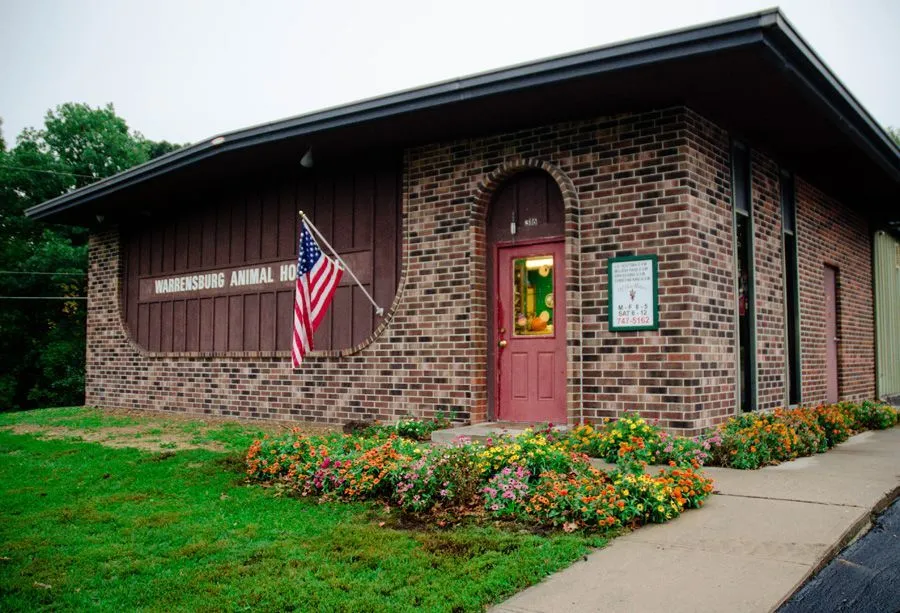
If you are looking for veterinary care in the Warrensburg area, Warrensburg Animal Hospital is a local option to consider. Their clinic is located at 316 W. Young Ave., Warrensburg, MO 64093, and you can reach them at (660) 747-5162 or by email at [email protected].
Whether your dog needs a routine wellness check or help with a specific issue, pairing good medical care with vet visit training can make appointments more productive and less stressful for everyone involved.
If you want your dog to walk into the clinic calmer, handle exams better, and build confidence in new environments, vet visit training is a smart place to start. Reach out to Off Leash K9 Training of Kansas City through our Contact Page and I’ll help you choose the right training plan for your dog and your goals.