
Bringing home a shelter dog is exciting, but it can also feel like you are learning each other in real time. New smells, new rules, new routines, and a completely new environment can make even a friendly dog act unsure at first. That is why shelter dog training matters so much. When you start with structure and clear expectations, you help your dog settle faster and you prevent common issues from turning into habits.
At Off Leash K9 Training of Kansas City, I work with many owners in the Kansas City, MO and KS area who have recently adopted and want a practical plan. In this post, I’ll walk you through what to focus on during the first month, which skills make the biggest difference, and how shelter dog training supports confidence, calm behavior, and long-term reliability.
Why shelter dog training feels different from “regular” training
A newly adopted dog is not just learning commands. They are learning your home, your schedule, your boundaries, and what it means to feel safe again. In the early weeks, behavior can look inconsistent because the dog is still decompressing.
Common first-month challenges I see include:
- Leash pulling from excitement or uncertainty
- Jumping because attention feels urgent
- Mouthing during play or handling
- Barking at new sounds or visitors
- Accidents indoors due to stress and routine changes
- Difficulty settling when left alone
This is where shelter dog training shines. Structure reduces guesswork. Dogs relax when they know what happens next and what choices earn rewards. The goal is not perfection. The goal is stability and predictable routines that build dog confidence.
Shelter dog training basics that create calm, responsive dogs
When I start shelter dog training with a new adopter, I focus on a few skills that make daily life easier right away. You do not need a long list. You need a foundation you can repeat every day.
Here are the most important early skills:
- Place (settle) on cue
Place teaches your dog how to turn off and relax. This is one of the fastest ways to reduce pacing, hovering, and attention-seeking. - Loose leash walking
Calm walks build confidence and reduce reactivity. They also help you communicate with your dog in the real world. - Sit and down with short duration
Duration is impulse control. Impulse control is the base of better manners. - Name recognition and recall foundations
Responsive dogs are safer dogs. Recall work supports long-term off-leash reliability, even if you are not off-leash yet. - Door and threshold manners
Door rushing is common in newly adopted dogs. This is an easy win with consistency.
These skills are the building blocks of effective obedience training and real behavior transformation. They also reduce stress because your dog no longer has to guess what you want.
If you want a simple way to stay consistent, the routine mindset in New Year’s Guide: Training Success 2026 applies perfectly to new adoptions and daily training reps.
A practical first-month shelter dog training plan
Most owners get overwhelmed because they try to do everything at once. A better approach is to build predictable habits, then expand your dog’s world gradually. Here is a simple shelter dog training plan I recommend:
- Week 1: Keep life small and consistent
Same feeding times, same potty routine, same walking routes. Limit visitors. Focus on Place, leash walking, and calm handling. - Week 2: Add controlled exposure
Short outings to low-traffic places. Practice obedience around mild distractions. Reward calm choices. - Week 3: Increase expectations
Start asking for sit at doors, Place during meals, and short duration work. Increase walk structure. - Week 4: Proof real life
Practice around busier sidewalks, new surfaces, and mild dog exposure at a distance. Keep reps short and positive.
A helpful outside reference for the adoption transition is the Humane Society’s guidance on adopting a dog and helping them adjust. It reinforces the same core idea behind shelter dog training: structure and patience create stability.
Dog-Friendly Business Spotlight
A solid local resource within 1–2 hours driving distance of Kansas City is Great Plains SPCA in Merriam, Kansas. They support dog owners through adoption resources and community services, which can be especially helpful if you are making a thoughtful decision about adding a dog to your home.
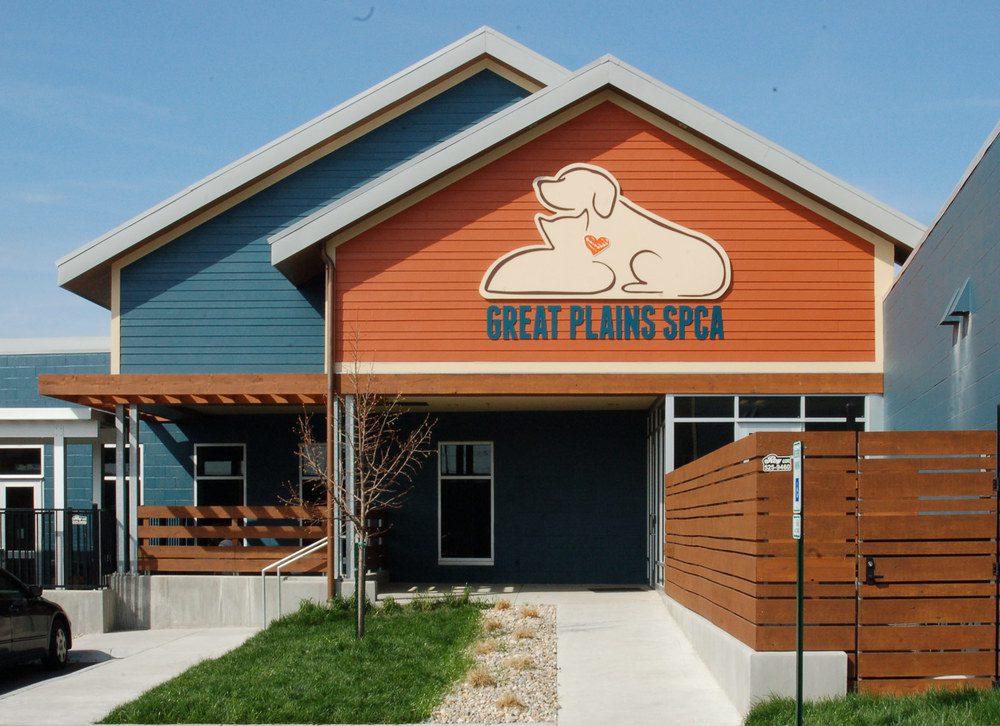
From a training perspective, I like when adopters go into the process with structure in mind. The first few weeks at home are when dogs learn what life looks like, and that is where shelter dog training reduces stress and helps a dog build confidence. If you want to connect with their team, their contact page is the easiest place to start.
How Off Leash K9 Training of Kansas City helps after adoption
At Off Leash K9 Training of Kansas City, I help adopters build a training plan that fits real life, not just perfect conditions. Depending on your dog’s needs and your schedule, we may use:
- Private Lessons for targeted coaching and support
- Puppy Training foundations for young dogs who need structure early
- Basic Obedience or Basic & Advanced Obedience for reliable manners
- Board and Train for a faster reset and immersive habit-building
You can explore options on our Dog Training Programs page. The goal of shelter dog training is a dog that can relax at home, walk politely on leash, and respond to you when distractions show up. When owners follow through, they usually see improvements that spill into everything: calmer greetings, better leash walks, and clearer communication.
If you have recently adopted and want a clear plan, I would love to help you build the right foundation. Reach out to Off Leash K9 Training of Kansas City through our Contact Page and tell me a little about your dog and your goals. With consistent shelter dog training, you can build calm behavior, stronger confidence, and real-world reliability that lasts.