Dog impulse control training is one of the most practical ways to make daily life safer and calmer. Food on the floor, treats in a shop, plates on a patio, and groceries on the counter can trigger grabbing, jumping, begging, or pulling. At Off Leash K9 Training of Kansas City, I help owners teach dogs to pause, listen, and make a better choice even when something tempting is close.
In this post, I’ll explain how dog impulse control training improves food manners, which obedience skills matter most, and how to practice without turning every session into a battle. The goal is not to make your dog uninterested in food. It is to build clear communication, dog confidence, and reliable behavior around real-world distractions.
Why dog impulse control training matters around food
Poor food manners are usually not a sign that a dog is stubborn. More often, the dog has learned that moving quickly pays off. If grabbing a dropped snack works once, the dog is likely to try it again. Dog impulse control training changes that pattern by teaching your dog that waiting and checking in lead to better outcomes.
I focus on five core skills:
- Leave it: Disengage from food, trash, or another tempting item.
- Place: Settle on a defined spot while people cook or eat.
- Sit and wait: Pause at doors, before meals, and before rewards.
- Recall: Turn away from a distraction and come back when called.
- Release cues: Understand exactly when permission is given.
The American Kennel Club explains that impulse control must be taught. Its guide to teaching “leave it” shows how the cue can help a dog ignore food and other distractions.
Rewards still matter. My guide to Dog Training Treats for Better Obedience at Home explains how food can reinforce the right decision without becoming the only reason your dog listens.
A simple dog impulse control training plan
Good dog impulse control training starts in an easy setting. Begin at home with low-value food, a leash if needed, and short sessions. Ask for one clear behavior, reward success quickly, and stop before your dog becomes frustrated.
Try this progression:
- Start with a closed hand. Hold a treat inside your fist. When your dog backs away or looks at you, mark and reward from the other hand.
- Move to food on the floor. Cover it with your foot if necessary. Reward disengagement instead of diving toward it.
- Add a wait before meals. Ask for sit, lower the bowl, and lift it if your dog breaks position. Release only when calm.
- Practice Place during meals. Begin with two or three minutes, then build duration.
- Take the skill into public. Work near a quiet storefront before trying a busy environment.
Do not sometimes allow counter surfing, plate licking, or snatching and then expect perfect control in a harder setting. Consistency is what turns dog impulse control training into lasting behavior transformation.
Multi-dog homes need extra structure because food can create competition. Multi-Dog Success: Expert Training Tips covers individual practice, resource management, and calm group routines that support safer food manners.
Regional Dog-Friendly Business Spotlight
A local stop worth knowing is Three Dog Bakery at Country Club Plaza in Kansas City, Missouri. The bakery offers dog-focused treats and celebration items, and the Three Dog Bakery story began with its original Kansas City bakery in 1989.
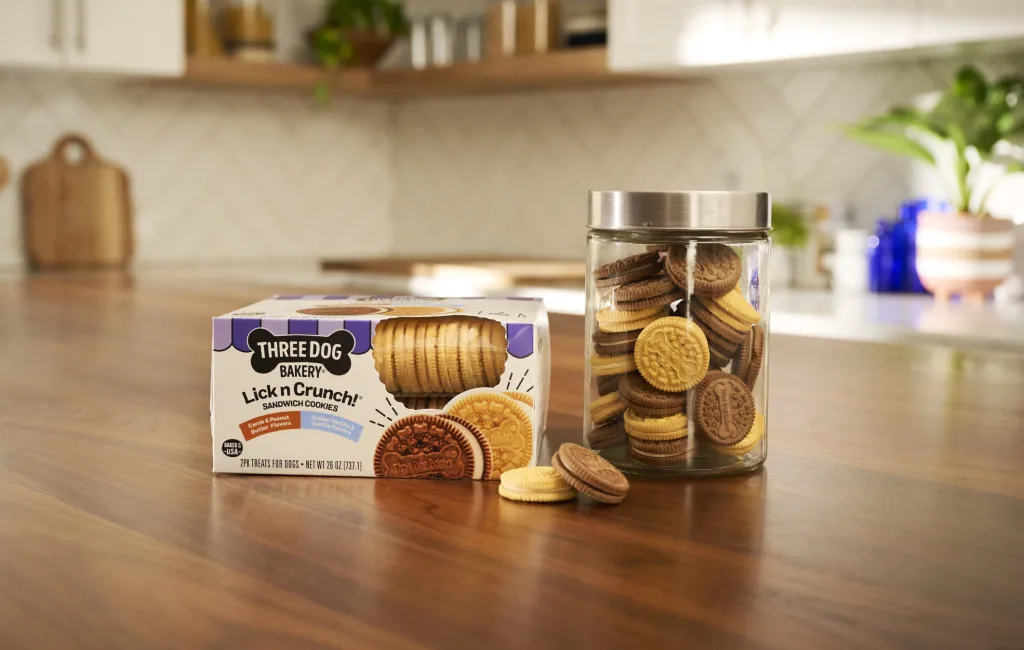
A shop filled with interesting smells can be a useful real-world test once your dog is ready. Dog impulse control training helps your dog walk past displays without pulling, keep four paws on the floor, wait before accepting a treat, and respond when you ask for attention.
Three Dog Bakery is not a dog training provider. I am highlighting it as a local resource where trained manners can make an outing more enjoyable.
Choose a quieter time for early practice and keep the first trip short. A successful five-minute visit is more valuable than staying until your dog is overwhelmed.
How Off Leash K9 Training of Kansas City builds real-world control
At Off Leash K9 Training of Kansas City, I treat food manners as part of a larger obedience training plan. The dog who learns to ignore a dropped treat can also learn to pass distractions on a walk, settle around guests, and build stronger off-leash reliability.
Depending on your dog’s age, temperament, and goals, Private Lessons, Puppy Training, Board and Train, or Basic & Advanced Obedience may be the right fit. Our programs focus on clear commands, follow-through, and professional dog training that carries into everyday life.
The goal is not a dog who waits only when food is visible in your hand. It is a dog who understands the rules, trusts your direction, and can recover when temptation appears unexpectedly. That is where dog impulse control training becomes part of a broader behavior transformation.
Ready for calmer food manners?
If your dog grabs food, begs through meals, raids counters, or loses focus around treats, contact Off Leash K9 Training of Kansas City. Tell me where the problem shows up most often, and we can build a plan for safer choices, calmer routines, and better reliability throughout Kansas City, MO and KS.